| SOFERES

Sexual Reproductive Health and Rights (SRHR) Program
Access to sexual reproductive health services and rights (SRHR) is essential for the well-being and empowerment of refugee women and girls in Dzaleka Refugee Camp. However, many face barriers such as stigma, lack of information, cultural taboos, and inadequate healthcare services. SOFERES’ SRHR Program seeks to ensure that women and girls can make informed choices about their bodies, health, and futures by providing comprehensive sexual and reproductive health education, services, and advocacy.


  • Comprehensive Sexuality Education (CSE) – We provide age-appropriate, culturally sensitive education on sexual and reproductive health, menstrual health, contraception, HIV/AIDS, and STI prevention to empower women and girls with knowledge.


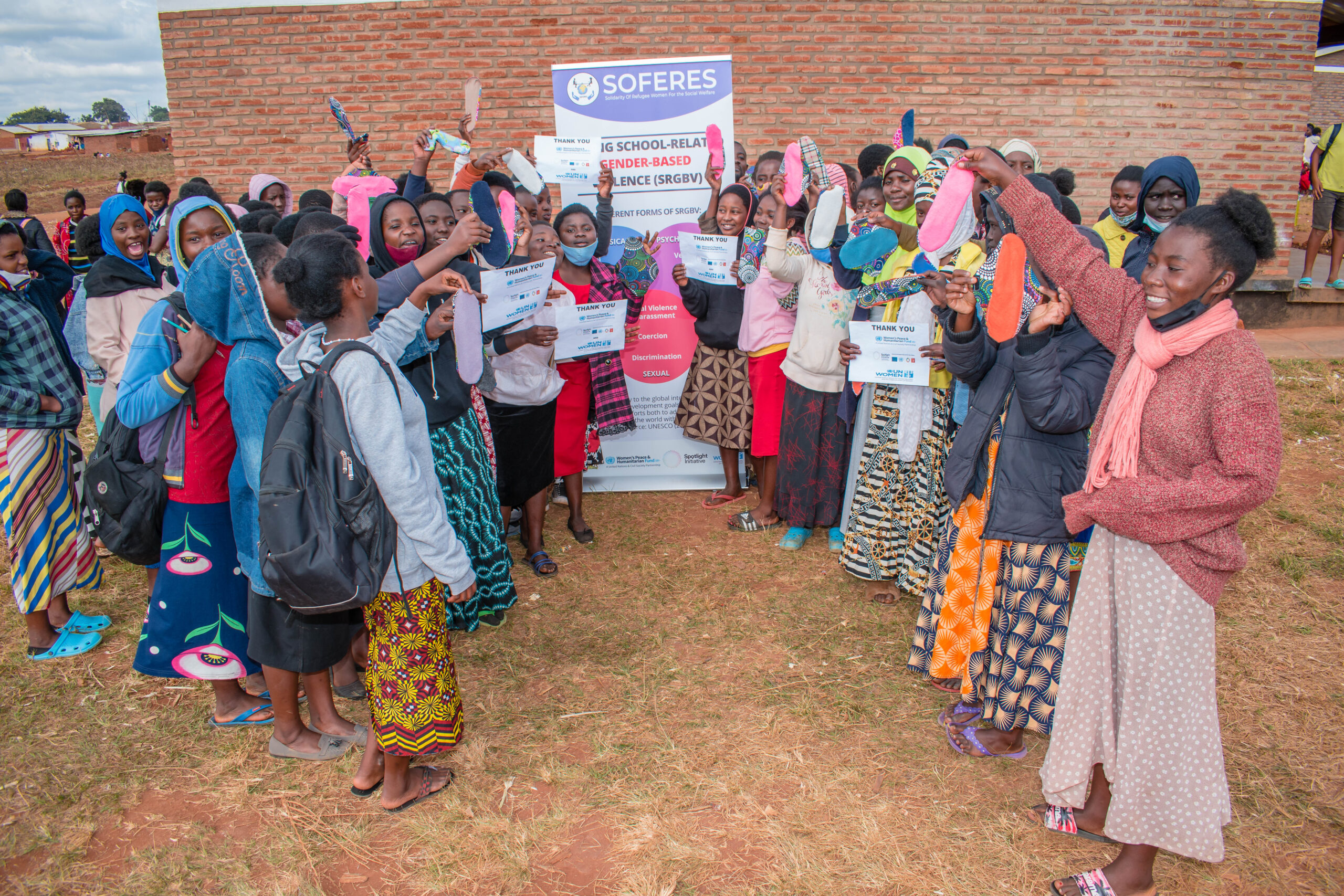
  • Menstrual Health and Hygiene Management – We distribute sanitary pads, hygiene kits, and menstrual health education to help girls manage their periods with dignity and reduce school absenteeism.


  • Family Planning and Contraceptive Access – We facilitate access to contraception and family planning services, ensuring women can make informed decisions about their reproductive health.


  • Maternal Health and Safe Motherhood – We provide awareness and referral services for prenatal and postnatal care, supporting pregnant women with essential healthcare information and safe delivery practices.


  • Youth-Friendly SRHR Services – We engage adolescents and young women in safe spaces where they can discuss sexual health, relationships, and reproductive rights without fear of stigma or discrimination.


  • Advocacy and Policy Engagement – We work to strengthen SRHR policies within the refugee community, advocating for inclusive, accessible, and rights-based sexual and reproductive health services.

More Services

Emergency Relief Program

Emergency Relief Program

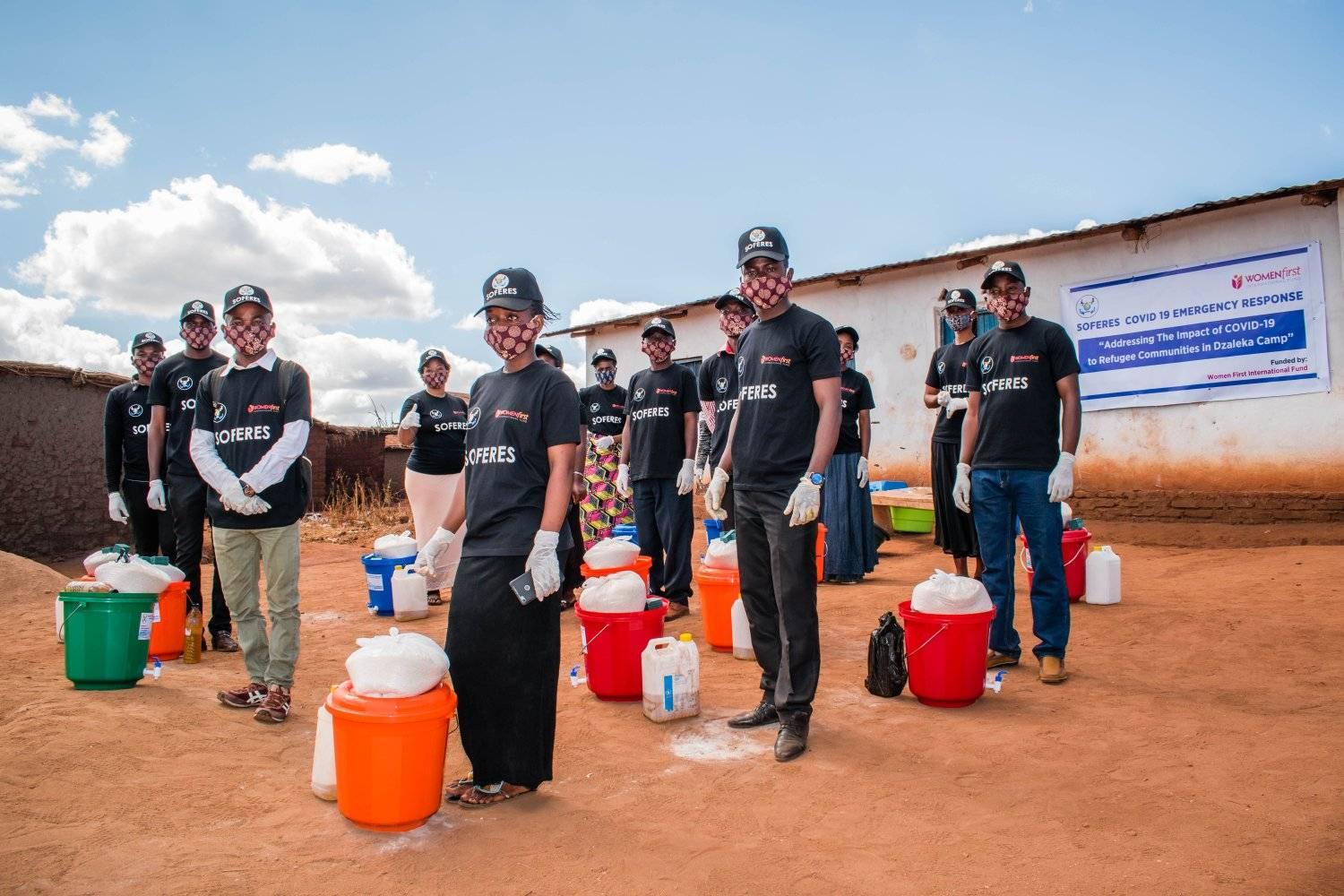
Refugee women and girls in Dzaleka Refugee Camp often face crises such as food shortages, natural disasters, health emergencies, and displacement-related hardships.

Learn More