| SOFERES

Livelihood and Economic Empowerment Program
SOFERES’ Livelihood and Economic Empowerment Program equips refugee women and girls in Dzaleka Refugee Camp with the skills, resources, and opportunities needed to achieve self-reliance and financial independence. Many refugees face extreme poverty, unemployment, and limited access to income-generating activities. This program addresses these challenges by providing tailored training and support to empower women as entrepreneurs, skilled workers, and community leaders

Key Program Areas:


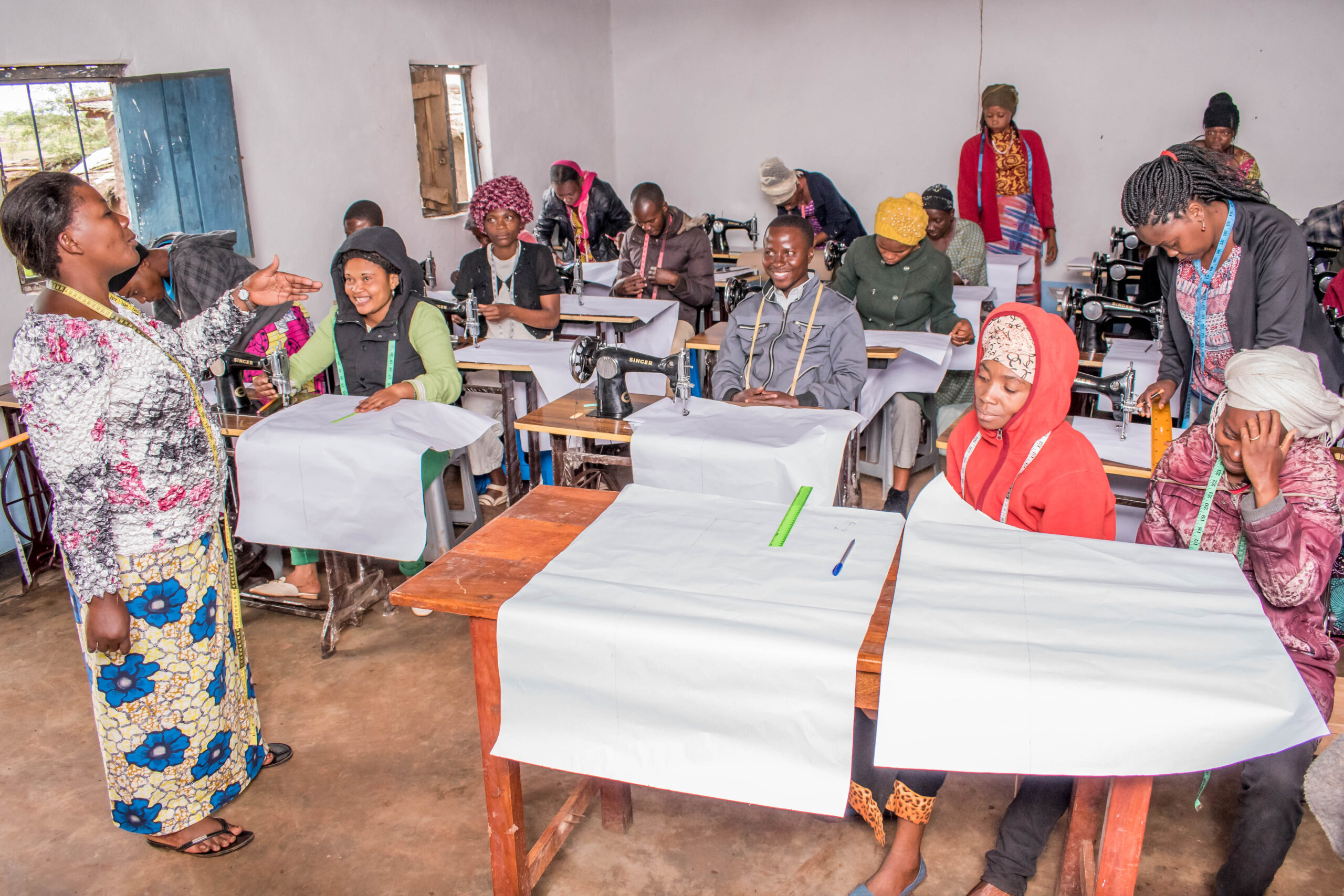
  • Vocational Skills Training – We provide hands-on training in tailoring, soap making, bread making, computer literacy, handcrafts, agriculture, carpentry, masonry, metal work and other marketable skills to help women start small businesses and secure employment


  • Financial Literacy & Business Development – Women receive training in financial management, savings, entrepreneurship, and cooperative business models to strengthen their ability to run sustainable businesses


  • Village Savings and Loan Associations (VSLAs) – SOFERES facilitates savings groups where women can access small loans to invest in their businesses, ensuring financial inclusion and long-term economic stability.


  • Market Access & Value Chain Development – We connect refugee women to local and international markets, ensuring they can sell their products at fair prices and grow their enterprises.


  • Agriculture & Food Security – Through sustainable farming techniques, irrigation training, and input support, we help women engage in agriculture to improve household nutrition and income.


  • Financial Institution Linkages – We link women to microfinance institutions, banks, and cooperatives to access larger financial services, enabling them to scale their businesses and secure long-term economic stability.

More Services

Emergency Relief Program

Emergency Relief Program

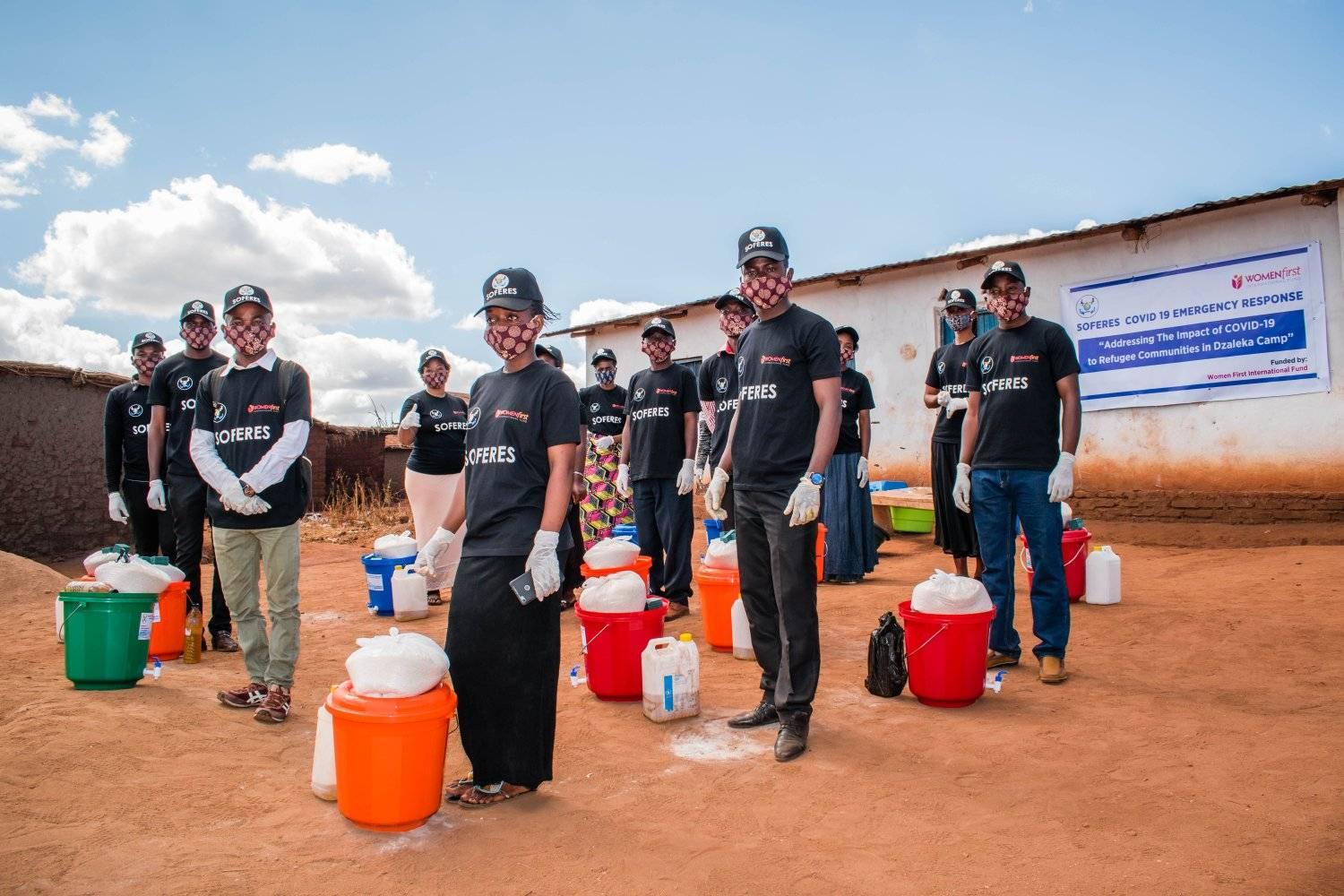
Refugee women and girls in Dzaleka Refugee Camp often face crises such as food shortages, natural disasters, health emergencies, and displacement-related hardships.

Learn More